


The Pira Pita is one of the best-kept secrets in South American freshwater fishing. Known to Argentine anglers for generations as one of the most exciting and acrobatic species in the Paraná River system, it has remained largely unknown to international fly fishers and conventional tackle anglers who visit Argentina primarily to pursue Golden Dorado. That is changing. Anglers who encounter the Pira Pita on the Paraná for the first time consistently describe it as one of the most exciting freshwater fishing experiences of their trip, and many return specifically to target this remarkable fish.
The Pira Pita, Brycon orbignyanus, is a medium-sized migratory freshwater fish native to the Paraná and Uruguay River systems of central South America. It belongs to the Characidae family, the same diverse family that includes the piranha, payara, and Golden Dorado. Like its relatives, the Pira Pita combines an athletic body with an aggressive feeding nature, making it an outstanding sport fish on both fly and conventional tackle.
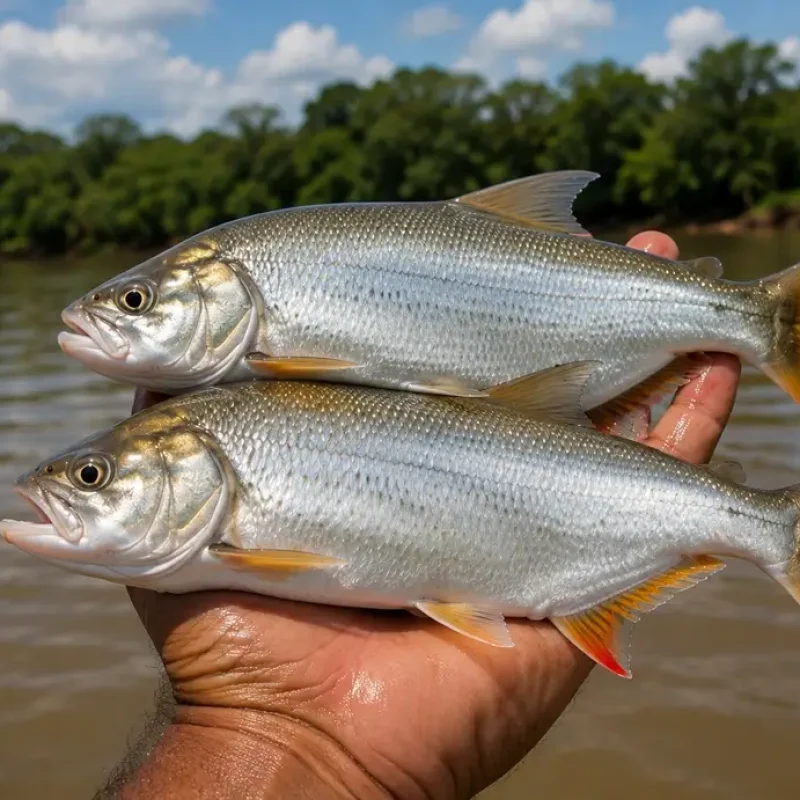
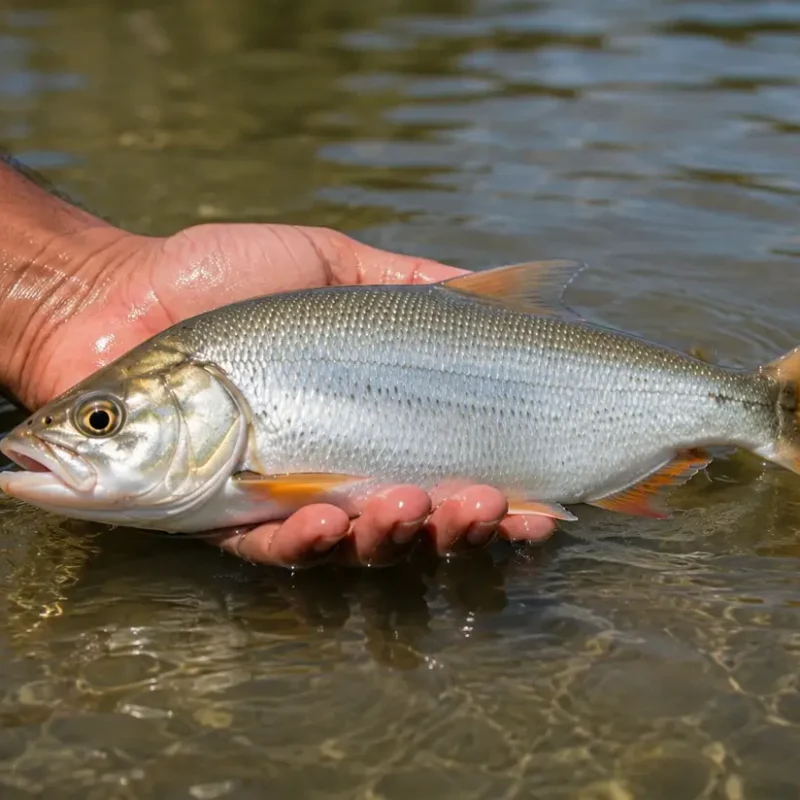
Its body is long, streamlined, and built for speed. Mature fish display bright silver flanks with a subtle yellow or golden tint toward the tail. The deeply forked tail reflects its adaptation to strong current, while the fins often develop attractive orange or reddish coloration, particularly during the spawning period. Every aspect of the fish’s appearance suggests speed, endurance, and life in fast-moving water.
What surprises most first-time anglers is the fight. Although few fish exceed five kilograms, the Pira Pita delivers a battle that feels much larger than its actual size. Its first run is fast and sustained, taking full advantage of the current before launching into repeated jumps that continue throughout the fight. On light spinning or fly tackle, it provides one of the most exciting pound-for-pound freshwater battles available anywhere in the Paraná River system.
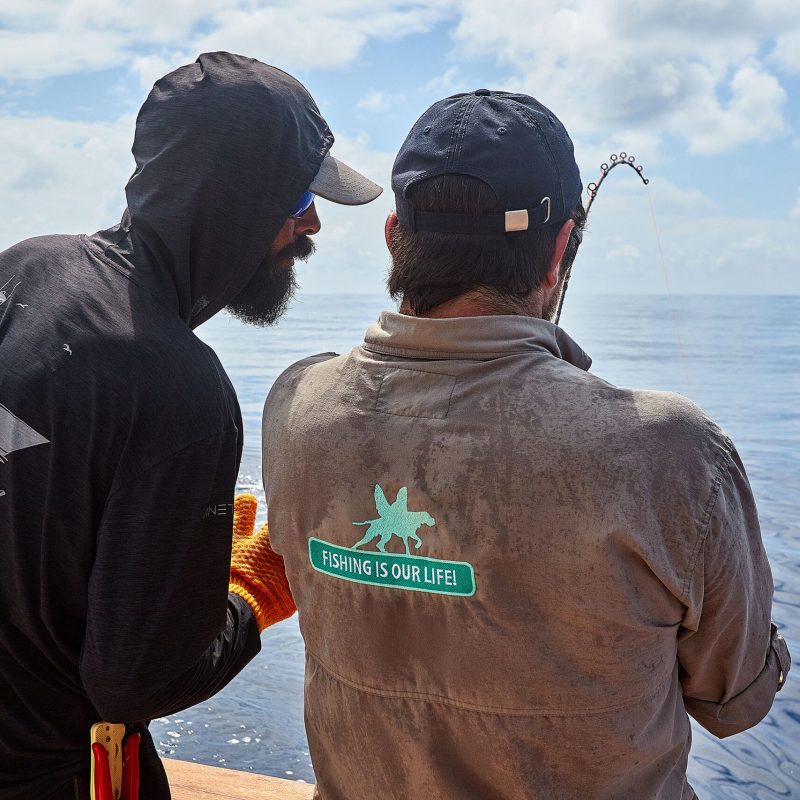
The Pira Pita is a migratory fish whose movements are closely tied to seasonal water temperatures and river flows. During periods of migration, fish gather in predictable locations throughout the Paraná River system, creating excellent opportunities for anglers who understand the timing and behavior of the species.
Unlike Pacu, which are commonly associated with backwaters and flooded lagoons, Pira Pita prefer faster, highly oxygenated water. They concentrate along main-channel current seams, rapids, swift runs, and tributary confluences where flowing water delivers drifting insects, fruit, and baitfish. Fishing for Pira Pita therefore has a distinctly different character, requiring presentations that work naturally through moving water rather than quiet backwaters.
At the Pointer Paraná properties, guides continually monitor seasonal fish movements throughout the warmer months. Guests wishing to target Pira Pita alongside the famous Golden Dorado program can benefit from local knowledge developed over years of fishing these productive sections of the river.

Spin fishing is the most practical and productive method for targeting Pira Pita in the fast-moving sections of the Paraná River. Small to medium-sized lures worked through current seams and feeding lanes consistently produce excellent results. Small inline spinners, lightweight jerkbaits, and streamlined subsurface lures perform especially well because they maintain effective action in strong current. Light to medium spinning rods between five and six feet matched with 2,000 to 3,000 size reels loaded with 12 to 20-pound braided line provide the ideal combination of sensitivity and fish-fighting control. Unlike Golden Dorado, Pira Pita do not possess razor-sharp teeth, so wire leaders are unnecessary.
Pira Pita respond enthusiastically to fly fishing techniques in faster water where they actively feed on aquatic insects and small baitfish. Small to medium streamers drifted across and downstream through productive current seams consistently attract strikes. Five to seven weight fly rods paired with weight-forward floating lines and standard monofilament or fluorocarbon leaders terminating around 3X provide an ideal setup. The takes are immediate, the fish jump repeatedly, and the combination of swift current and powerful runs creates one of the most rewarding freshwater fly-fishing experiences available anywhere in the Pointer program.
The most productive period for Pira Pita fishing extends from September through March. Rising spring water temperatures trigger upstream migrations that concentrate fish throughout productive fast-water sections of the Paraná River. September through November often provide outstanding fishing as large numbers of migratory fish gather before continuing their upstream journey.
As water temperatures decline, Pira Pita become less active and increasingly difficult to target consistently. They continue to appear as incidental catches while fishing productive fast-water sections during the Golden Dorado season, but dedicated Pira Pita fishing is at its most reliable during the warmer months between September and March.

Fishing Gear: A light to medium spinning rod between five and six feet paired with a quality 2,000 to 3,000 size spinning reel loaded with 12 to 20-pound braided line is ideal for conventional fishing. Fly anglers should bring a five to seven weight, nine-foot fly rod with a weight-forward floating line and a standard monofilament or fluorocarbon leader finishing at approximately 3X. Wire bite tippets are unnecessary because Pira Pita lack the cutting teeth of predatory species. Small to medium spinners, lightweight jerkbaits, streamlined subsurface lures, and streamers in sizes six through ten are highly effective. Polarized sunglasses are essential for reading current seams and spotting fish in clear water.
Clothing and Personal Items: Long-sleeve quick-dry fishing shirts, polarized sunglasses, lightweight sun gloves, waterproof sunscreen with SPF 50 or higher, insect repellent, quick-dry pants and shorts, a hat or cap, a breathable lightweight rain jacket, wading or boat shoes, and comfortable casual clothing for evenings at the lodge.

Pira Pita are part of the complete freshwater fishing program at all three Pointer properties on the Paraná River system. They are encountered most consistently during the warmer months when seasonal migrations concentrate fish throughout the productive fast-water sections accessible from each lodge. Guests wishing to focus on Pira Pita alongside Golden Dorado should discuss their fishing goals with the guides when booking.

Golden Dorado, Pacu, Pira Pita, Surubí, Palometa, Boga
The original Pointer property on the Paraná River provides outstanding access to productive current seams and tributary confluences where migratory Pira Pita concentrate during the warmer months. The experienced guides at San Javier understand these waters intimately and know where to locate fish alongside the lodge’s renowned Golden Dorado program.

Golden Dorado, Pacu, Pira Pita, Surubí, Palometa
This dedicated year-round freshwater fishing destination in Corrientes Province offers access to the subtropical channels of the Paraná where warmer water temperatures support productive Pira Pita fishing throughout much of the year. The climate allows active feeding behavior over a longer season than properties farther south.

Golden Dorado, Pira Pita, Palometa, Surubí, and Other Freshwater Species
The most accessible Pointer fishing property for guests arriving through Buenos Aires provides convenient access to productive river systems where Pira Pita gather during seasonal migrations. Fast-water sections and tributary confluences near San Isabel regularly produce opportunities for anglers targeting this exciting species during the warmer months.
Fast, acrobatic, and pound for pound one of the most exciting freshwater fighters in the Paraná River system, the Pira Pita remains largely unknown outside South America. Three exceptional Pointer properties provide opportunities to pursue this remarkable fish alongside Golden Dorado, Pacu, Surubí, Palometa, and many other freshwater species. Contact us today and let us build the ideal Paraná River fishing adventure for you.