


The Pacu is one of the most impressive and most underappreciated freshwater fish in the Parana River system. A large fruit and seed-eating relative of the piranha that grows to extraordinary sizes in the productive waters of the middle and upper Parana, the Pacu is encountered regularly by anglers fishing the Pointer properties for Golden Dorado and provides a completely different style of fight from its smaller and more famous predatory cousin. For anglers who want to experience the full diversity of what the Parana system holds, the Pacu is one of the most compelling secondary targets in the program
The Pacu, Piaractus mesopotamicus, is one of the largest freshwater fish in the Parana River drainage and one of the most unusual in terms of its biology and feeding behavior. It is a close relative of the piranha, but where the piranha is a carnivore built for predation, the Pacu is primarily a frugivore, feeding on fruits and seeds with broad, flat, molar-like teeth designed for crushing the hard shells of seeds and nuts that fall into the river from overhanging vegetation during the flood season.
The body is deep and laterally compressed, giving large Pacu a distinctive disc-like profile. The flanks are silver to grey with orange-red coloration on the belly and lower fins during certain seasons. Fully grown Pacu in the Parana system regularly exceed thirty and forty pounds, with exceptional fish growing considerably larger in the most productive waters.
Despite its reputation as a fruit eater, the Pacu is far from a passive fish. Once hooked, a large specimen makes immediate, powerful runs, using its broad body and deep flanks to generate tremendous resistance in the current. The fight is more comparable to a large carp or bonefish than the explosive aerial displays of the Golden Dorado. A thirty-pound Pacu in the current of the Parana is a genuinely unforgettable experience on any suitable tackle.
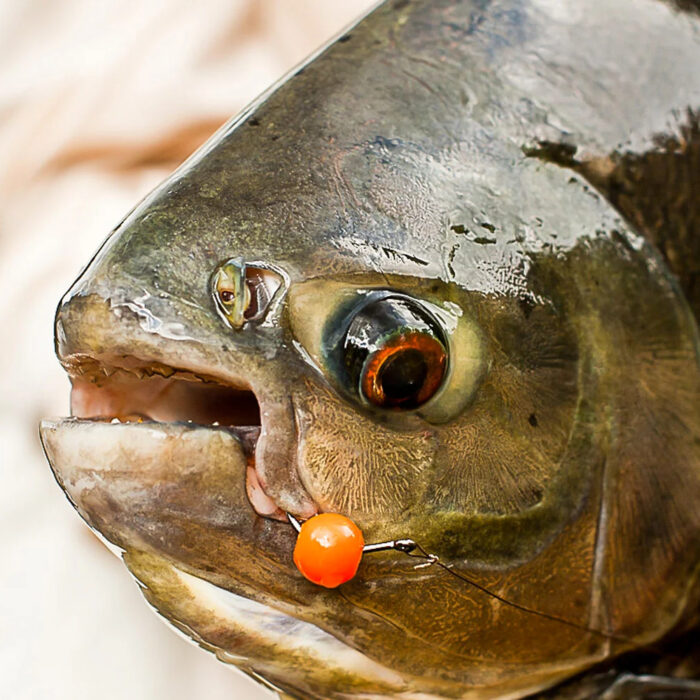
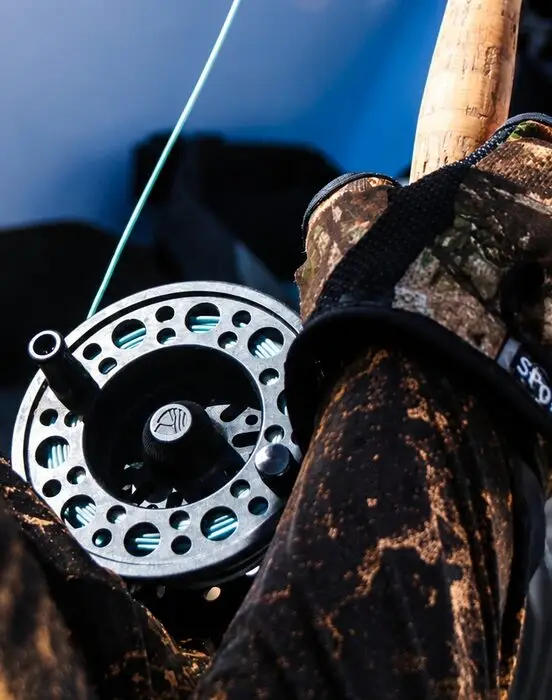
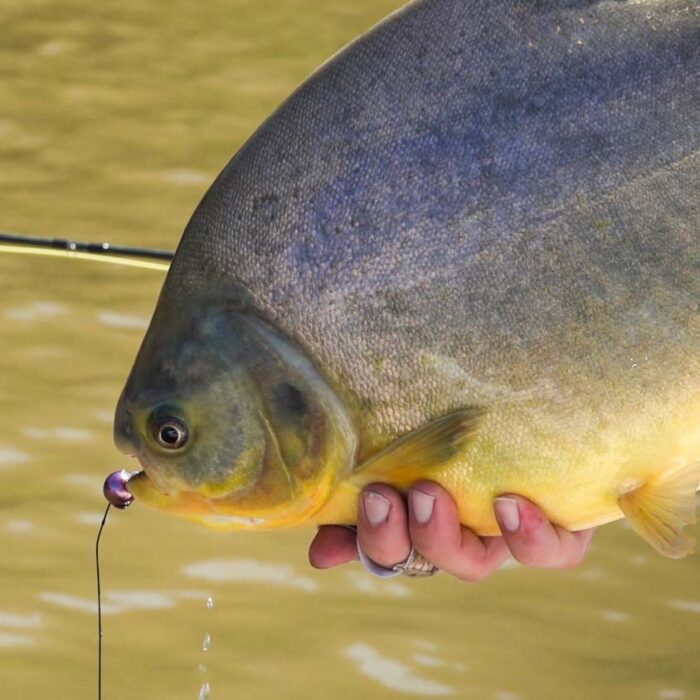

Pacu inhabit the middle and upper sections of the Parana River drainage across Argentina, Bolivia, and Brazil, concentrating in areas where deep productive water meets flooded vegetation. Throughout the sections of the Parana accessed by Pointer properties, Pacu are most commonly found in calm backwater channels, flooded lagoons, and vegetated river margins where submerged and overhanging vegetation provides abundant food and cover during the warmer months. Pacu activity is closely linked to both water temperature and river levels. During the warmer months from November through March, when water levels are higher and temperatures peak, Pacu become highly active and readily accessible throughout the Parana system. As temperatures decline during autumn and winter, they move into deeper water and become more difficult to target consistently, although incidental catches continue throughout the year while fishing for Golden Dorado. Across all three Pointer Freshwater Fishing properties, Pacu are encountered as exciting incidental catches during Golden Dorado trips rather than as a dedicated target species. Guests interested in increasing their chances of catching Pacu can discuss their goals with their guides, who know the river sections where these fish are most commonly encountered during favorable conditions.
Natural bait fishing remains the most reliable and traditional method for targeting Pacu. Fruits, seeds, and other natural food sources that fall into the river from overhanging vegetation closely match the Pacu’s preferred diet and consistently produce the best results. Corn, various fruits, and other natural attractants presented on bottom or floating rigs near vegetated margins and calm backwaters account for most deliberate Pacu catches. This patient style of fishing differs significantly from the aggressive, active techniques used for Golden Dorado and appeals particularly to anglers who enjoy the thoughtful approach of carp and coarse fishing.
Pacu occasionally strike lures and flies during periods of active surface feeding, particularly throughout the warmer months when insects and plant material fall from riverside vegetation. Large poppers, floating flies, and surface lures that imitate insects or floating fruit can produce exciting opportunistic strikes. These encounters are genuine bonuses rather than the result of a dedicated presentation strategy. For anglers already fishing for Golden Dorado with lures or fly tackle, catching a Pacu on a surface presentation is one of the memorable surprises of the Parana River experience.
Natural bait fishing remains the most reliable and traditional method for targeting Pacu. Fruits, seeds, and other natural food sources that fall into the river from overhanging vegetation closely match the Pacu’s preferred diet and consistently produce the best results. Corn, various fruits, and other natural attractants presented on bottom or floating rigs near vegetated margins and calm backwaters account for most deliberate Pacu catches. This patient style of fishing differs significantly from the aggressive, active techniques used for Golden Dorado and appeals particularly to anglers who enjoy the thoughtful approach of carp and coarse fishing.
Pacu occasionally strike lures and flies during periods of active surface feeding, particularly throughout the warmer months when insects and plant material fall from riverside vegetation. Large poppers, floating flies, and surface lures that imitate insects or floating fruit can produce exciting opportunistic strikes. These encounters are genuine bonuses rather than the result of a dedicated presentation strategy. For anglers already fishing for Golden Dorado with lures or fly tackle, catching a Pacu on a surface presentation is one of the memorable surprises of the Parana River experience.
This is the most productive period for Pacu fishing across all three Pointer Parana properties. Higher water levels during the austral summer push fish into flooded margins and backwater lagoons where abundant fruits and seeds provide ideal feeding conditions. Warm temperatures, elevated water, and plentiful natural food combine to create the best opportunity for anglers hoping to target Pacu alongside the Golden Dorado program.
As water temperatures decline during autumn and winter, Pacu gradually move into deeper water and become more difficult to target using surface and shallow presentations. Incidental catches remain possible throughout the year while fishing deeper sections of the river with conventional or jigging tackle alongside the Dorado program. Guests with a particular interest in Pacu should consider planning their trip during the November through March period.
The mixed bag program requires gear for multiple hunting styles simultaneously and packing for it requires a little more thought than a single-species program. The following covers all three mixed bag programs across all three properties.
Casual slacks and sport shirts are all you need in the evenings at all three mixed bag properties.
A medium-heavy to heavy conventional spinning or baitcasting rod measuring seven to eight feet paired with a quality reel loaded with thirty to fifty pound braided line is recommended. Standard monofilament or fluorocarbon leaders of twenty to thirty pound test are ideal, with no wire leader required because Pacu possess flat molar-like teeth rather than the sharp cutting teeth of predatory fish. Bring natural bait rigs suitable for the intended presentations and tackle capable of handling sustained runs from fish exceeding thirty pounds in the strong currents of the Parana.
Unlike Golden Dorado fishing, Pacu do not require a wire bite tippet. Their molar-like dentition presents no risk to monofilament or fluorocarbon leaders, making standard terminal tackle entirely suitable.
Long-sleeve quick-dry fishing shirts, polarized sunglasses, fly fishing sun gloves, waterproof sunscreen with SPF 50 or higher, insect repellent, quick-dry pants and shorts, a hat or cap, a lightweight breathable rain jacket, wading shoes or boat shoes, and casual clothing for lodge evenings.
Pacu are regularly encountered as incidental catches alongside the primary Golden Dorado program at all three Pointer Freshwater Fishing properties on the Parana River system. Guests with a particular interest in targeting Pacu can discuss their objectives with their guides, who will incorporate knowledge of productive Pacu locations into the daily fishing plan whenever conditions allow.

Sep–Apr (Cast & Blast: Apr & Sep–Dec) | Golden Dorado, Pacu, Pira Pita, Surubi, Palometa & Boga
The most established Dorado fishing property in the Pointer collection is positioned on the Parana River system in Santa Fe Province. Guests enjoy four nights and four full fishing days with experienced fly fishing captains accessing exceptional Dorado populations on both spin and fly tackle. It is the only Pointer property where world-class wing shooting and world-class freshwater fishing are available under the same roof, with the Cast and Blast program combining dove shooting and Dorado fishing during the shoulder seasons.
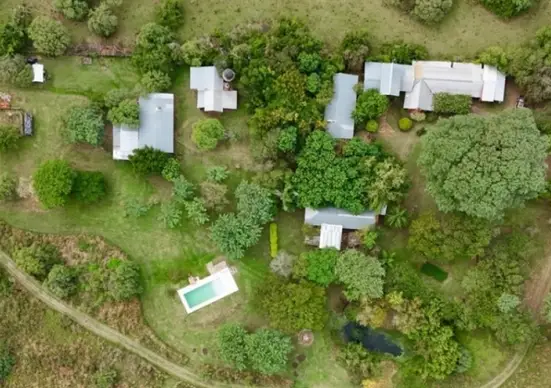
All Year Round | Golden Dorado, Pacu, Pira Pita, Surubi & Palometa
Pointer’s dedicated year-round Dorado fishing lodge is located on the subtropical Parana River system in Corrientes Province. It is the only Pointer property where the Dorado is not a seasonal component but the primary focus of the trip, available every month of the year with experienced local guides and comfortable motorized boats. Spin fishing, fly fishing, and jigging are all available as fully guided experiences. The lodge is accessible via Corrientes Airport (CNQ) or Resistencia Airport (RES).

All Year Round | Golden Dorado, Pira Pita, Palometa, Surubi & Other Freshwater Species
San Isabel offers the most accessible year-round Dorado fishing in the Pointer collection, located on the river systems of Buenos Aires Province within easy reach of Ezeiza International Airport. Guests enjoy Golden Dorado alongside Pita, Palometa, Surubi, and several additional native freshwater species throughout the year using spin, conventional, and fly tackle with experienced local guides. It is the natural choice for anglers combining freshwater fishing with other Pointer programs in Buenos Aires.
Three exceptional properties on the Parana River system. Golden Dorado as the primary target, with Pacu, Pira Pita, Surubi, Palometa, and Boga adding remarkable diversity to every day on the water. Reach out today and let us create the ideal Parana River fishing program for you.